Showing posts with label Creative Piercings. Show all posts

Friday, July 15, 2011

Piercing Nail Design

Piercing on little fingernails, does not it sound intriguing?


You must have seen girls and women having piercing on various body parts for wearing jewelries but nails piercing definitely sounds something from other planet.


Well, the reality speaks something different and piercing nail designs are not unheard of in the modern nail fashion world.


Nails piercing can be done on any finger nails but the rage these days is to have piercings on little finger and ring fingers.


Body Jewelry for Sale at BodyCandy.com

Tuesday, July 12, 2011

Piercings as Art Form

Historians believe humans in the 5,000-year-old mummies' time thought that demons entered earthly bodies through the ear, and that placing metal inside the earlobe would ward them off. Today, many African tribes display expressive body piercings as part of their way of life for spiritual and societal reasons.


Piercings as Art Form

In preserving their ancient cultures and belief systems, many African tribes have continued practices of piercing their bodies that originated thousands of years ago. Piercings throughout Africa denote pride, beauty and wealth. The African Conservancy's website states, "African body art changes the wearer into an object shaped by color, movement, textures, patterns and designs." In contrast with western beliefs about the taboo nature of body piercings, many tribal Africans believe that puncturing and even stretching builds character, discipline and strength.


Ear Piercings

The Massai people, an ethnic tribe living in present day Kenya and Tanzania, historically migrated from North Africa and once ruled much of the continent. Through disease, famine and an influx of tourism, the Massai have preserved their original cultural beliefs and practices, including ritualistic earlobe piercing and stretching. Both men and women stretch their earlobes with hollow discs, and hang intricately beaded jewelry from the holes created through stretching. During traditional Massai dances and ceremonies, including circumcision for both men and women, the person being honored dresses in extensive body jewelry.


Lip Plates

Noted by "National Geographic" as a popular draw to tourists, the culturally rich Mursi tribe, living in southern Ethiopia is known for its women wearing the lip plates to display beauty and individuality. The lip plate is a large disc made from pottery or wood and worn in a woman's bottom lip that can reach up to 12 centimeters in diameter. At the age of 15 or 16, each Mursi girl has her lip cut by her mother or another woman of the tribe. The women fill the cut with a wooden plug until it heals, and then stretch the opening by adding larger plates over a series of months.


Nose Piercings

In the Christian Bible's book of Genesis, Abraham provides a "golden earring" to the woman, Rebecca, who marries his son, Isaac. The word used in the verse to describe the gift is "Shanf," which translates to "nose ring" in Hebrew. In reference to this verse, men of the nomadic Berber and Beja tribes, living in the Sahara and the Sudan respectively, present their wives with wedding rings that are worn in the nose. A large nose ring worn by a woman symbolizes a wealthy husband to those who see her. If a woman separates from her husband, the nose ring is hers to sell or barter for security.


Body Jewelry for Sale at BodyCandy.com

Sunday, July 10, 2011

Face Piercing

There was a time when especially a man having an ear pierced brought forward terms of derision. Thankfully, we seem to have become much more tolerant of this practise in recent years.


Face piercing is a wide-ranging term which includes nose piercings, lip piercing, tongue piercing and eyebrow piercing, Face piercings have been widespread through out worldwide cultures and it is common amongst quite a few African tribes to pierce the lips of the bride to be just prior to the marriage ceremony. Nose piercings are thought to have originated from the Middle East around four thousand years ago. Tongue piercings were very common among the Mayans. Modern day face piercings are more like to be works of original art rather than stemming from some ancient tradition.


There are a great number of people with teh odd face piercing, and a good number with quite a few; there are a very small minority who choose to have a very large number of face piercings. This is quite unusual and tends to indicate a certain fanaticism perhaps. Of course, many people who are heavily into piercings also enjoy tattoos too.


This is not for everyone and it should be remembered that if you have a few piercings on your face and wish to remove them later in life, you are likely to be left with a few scars although too many piercings may mark the face heavily. Despite this, at least they can be easily removed, unlike a tattoo.


Although many people have their face pierced in order to improve their appearance, there are health risks that should be acknowledged.

It is crucial to only use new, sterilised needles for any piercings as old or unsterilized needles could be be contaminated with infected blood or may perhaps have body fluids from the last individual who used the needle.

It is possible to transmit viral infections such as AIDS or Herpes through a face piercing if the needle isn't correctly sterilized and new from the package.


Bacterial infections such as Streptococcus and Staphylococcus are also significant concerns.

Therefore, if you decide to have a face piercing, it is important to check the cleanliness of the environment where it will be done and you also may wish to consider that when or if you decide to remove the piercing permanently, it may leave you with a scar on your face.


Body Jewelry for Sale at BodyCandy.com

Wednesday, July 6, 2011

Dermal Punch

Dermal (or biopsy) punches are surgical instruments that are becoming more and more accepted in the body modification community. While not every body part needs to be dermal punched (in fact, we recommend the use of piercing needles for most piercings), if a large gauge piercing is desired in the cartilage of the ear, dermal punches can’t be beat!


Dermal Punching on Ear Lobes: We do not recommend using dermal punching on ear lobes. (The list of pictures below shows the procedure on the ear lobes, this was only done for the purpose of being able to take better pictures. The Silicone Ear would not allow us to punch the cartilage without it destroying the ear.)


It is healthier to have a needle piercing performed, and then gradually stretch the piercing to the desired size. Dermal punches remove tissue, which, if used on earlobes, can cause thin lobes, which will be detrimental to further stretching. It is best to have as much tissue in your lobes as possible if you wish to stretch them--this will keep your ears and your piercings safe and happy.


Dermal Punching on Ear Cartilage: Since it is unhealthy to stretch cartilage piercings up more than a few gauges, dermal punching is a great alternative for people who would like large gauge piercings in the conch or outer conch. Small punches require that jewelry be worn throughout the entire healing time. Large punches can be healed without jewelry, once bleeding has stopped.


Risks: There is a severe risk of bleeding with any dermal punch, as it is a large wound in your body. Insertion of properly sized jewelry can help to put pressure on the wound. However, bleeding can still be severe and should be monitored closely during and after the procedure.


People with bleeding conditions such as hemophilia or people taking blood thinners should consult a doctor before performing this procedure. In the event that bleeding does not stop or a dangerous loss of blood occurs, seek immediate medical assistance.


There is also a risk of infection, as with any modification. By having a sterile environment, sterile tools, and sterile jewelry, this risk can be easily minimized. It can be further minimized by having this procedure done by a licensed professional.


Unlike needle piercing, this modification removes a round circle of tissue from the punched area, therefore this is a permanent modification.


Body Jewelry for Sale at BodyCandy.com

Monday, July 4, 2011

Piercing Sterilization

Piercing sterilization is important to do when getting and taking care of a piercing. When you get a piercing, ask your piercer if all his equipment has been sterilized in an autoclave. While he does the piercing make sure he changes his gloves often and he opens package containing the sterilized needle in front of you. Make sure the jewelry is either surgical steel, titanium or gold. Keeping your piercing sterilized afterward is simple.


Instructions

Things You'll Need

Antimicrobial/germicidal medicated soap
Sea Salt
Distilled Water

1)Thoroughly wash your hands before cleaning your piercing. Piercings should be cleaned daily for the length of your healing time. This can also be added to your shower routine.

2)Wash your piercing with antimicrobial/germicidal medicated soap. Make sure your soap is mild and both fragrance and color-free. Rinse with warm water, making sure there is no soapy residue left behind.

3)Soak your piercing in a sea salt soak directly after cleaning. Sea salt soaks are recommended once a day to aid in faster healing. A sea salt soak can be made by dissolving 1/4 tsp. of sea salt in 8 oz. of distilled water and soaking the area directly for several minutes.

4)Check your jewelry after each cleaning to make sure the balls of threaded jewelry are firmly attached. Balls can be changed at any time, but you must keep the original jewelry in for the full healing time.


Keep your jewelry in for the full healing time. This is usually about 3 months.

Piercings should not be cleaned more than twice a day.

Clean your bathtub with a bleach product thoroughly before bathing during the initial healing time after getting a piercing.


Professional piercers do not support the use of a piercing gun because it cannot be sterilized in an autoclave and does not adequately protect against the transmission of blood-born pathogens.


In the event of pus drainage or infection, see your physician for treatment immediately. Leave the jewelry in during treatment to avoid the skin closing and sealing in bacteria.


Body Jewelry for Sale at BodyCandy.com

Eyebrow Piercing

One of the common facial piercings, the attractive eyebrow piercings can work wonders for the overall facial appearance of a person. You would notice that the trends in eyebrow piercing are coming out well and many people love the styles of such eyebrow piercings. Out of all the new facial piercing types, this is the most common one and there are some interesting trends which have come up in this type.


Adjudged to be the best facial piercings for guys, eyebrow piercings have different advantages over other types of facial piercings and you would find that they are unmatched in terms of ease, care and style statement. Here are some popular advantages of this type of facial piercings and what makes them special in the world of facial piercings.


The unique facial piercings of eyebrows are meant to look good and are much lower on care and maintenance. The most important part about these types of facial piercings is that they are easier to perform and the healing period is not too long. You would find that your eyebrow piercings would heal quicker than any other piercing and you can carry off the complete eyebrow piercing without any problems of infection.


Simply put, you would not have to exercise too much care of your eyebrow piercings as this is one of those facial piercings which are protected from makeup, dirt, sweat and other factors which might lead to the onset of an infection. You can even have different types of eyebrow piercings which would make you look good and would be easier to carry.

Another advantage of such facial piercings is that they can be easily carried off by guys without looking feminine. This is one of the recommended facial piercings for guys and experimenting with different styles can get you a perfect eyebrow piercing look.


Apart from the eyebrow piercings, here is a list of facial piercings which would help you in deciding which trend to go for. Lip and cheek piercing is slowly getting popular and you can easily go for one of these trends.

Nose piercings have been around for quite some time now and you can experiment from the different styles that are available for these types of facial piercings. Apart from eyebrow piercings, other piercings around the eye are also getting popular and you might want to try them too.


Body Jewelry for Sale at BodyCandy.com

Sunday, July 3, 2011

Tongue Piercing

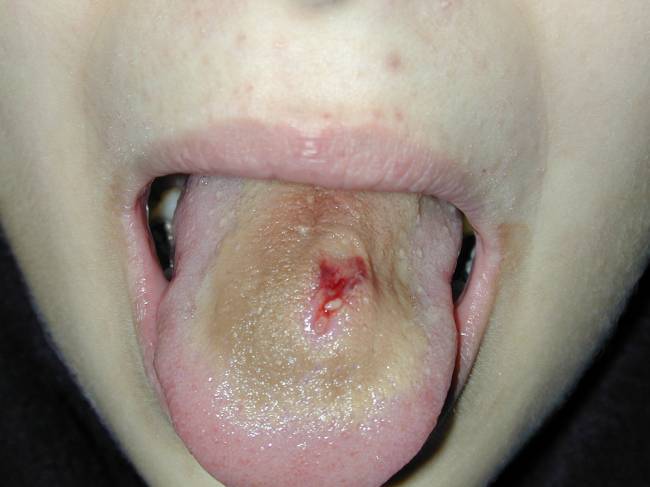
A tongue piercing is a body piercing usually done directly through the center of the tongue, and is the most popular piercing site in the western world after the ear and nostril.


There is a history of ritual tongue piercing in both Aztec and Maya cultures, with illustrations of priests piercing their tongue and then either drawing blood from it or passing rough cords, designed to inflict pain, through the hole. There is no evidence of permanent or long term tongue piercing in Aztec culture, however, despite the practice of many other permanent body modifications, it was done to honour the gods.

Piercing the tongue has a long history in religious and performance practices. Mesoamericans such as the Aztecs practiced this as well as other perforations as a part of offerings to their deities. Islamic Fakirs and Sufis from the Middle East, and Asian Spirit Mediums of the Far East practiced tongue piercing as an offering and proof of trance state.


The reason for the central Aboriginal Australian holy man's practice of piercing the tongue was to enable the holy man to "suck with his tongue the magic out of his patient's body". From the turn of the 20th century, Western Carnies borrowed many of their sideshow tricks from fakirs bringing to American and European audiences their first glimpses of tongue piercing.

Permanent or long term piercing of the tongue is part of the resurgence of body piercing in contemporary society. The ready availability of high quality, surgical steel barbell style jewellery is associated with the emergence of this piercing in the 1980s. As with many piercing innovations, the origin of this piercing is associated with Gauntlet, the first professional body piercing studio in the United States, formerly located in Los Angeles, California. Elayne Angel, the first person awarded the Master Piercer's certificate by Jim Ward, body piercing pioneer and founder of Gauntlet, is commonly associated with the promotion and popularity of this piercing. Also note that the tongue piercing is not gender specific, it was not created specifically for just a man or just a woman. Popular names for tongue piercing include tongue ring, a misnomer, as only rarely are rings worn in tongue piercings.


Tongues are pierced with straight barbell style jewelry. Because of the frequent movement of the tongue, jewelry size and comfort is especially important. Barbells that are too thin are prone to migration, causing discomfort and irritation. Tongue piercings can often be easily stretched to accommodate larger jewelry. The initial piercing is often at 14 g (1.6 mm), but to avoid one or two stretching steps it is possible to pierce immediately at 12 g (2.0 mm) or even 10 g (2.4 mm). Some people later choose to stretch their piercing to 12 g (2 mm), 10 g (2.4 mm), 8 g (3.2 mm) or 6 g (4.0 mm) to protect against possible migration and to have a more stable 'snug' fit. It is possible to stretch further to diameters beyond 10 mm. The beads at the end of the barbell can be made of many decorative material. "No-see-um beads", flat beads matching the color of the tongue, are sometimes worn to conceal this piercing, often in places of employment. Using appropriate colored and styled jewelry, and taking care while talking/laughing, it can be possible to conceal the piercing for a long while.


The piercer will check the underside of the tongue for large blood vessels, sometimes with a bright light, and mark a safe placement for the piercing. The tongue is then clamped with forceps and pierced with a needle, usually from top to bottom with a piercing needle or from bottom to top with a cannula needle. Initial jewelry should always be considerably longer than will ultimately be required to allow for swelling, which is common following the piercing. Within two days of getting the piercing the tongue can swell up to double its original size. This can lead to pain when speaking and eating, but this is not permanent. Piercers often recommend drinking cold beverages and sucking on crushed ice to help reduce the swelling. Some people find that taking Ibuprofen or similar anti-inflammatory drugs can greatly reduce the swelling associated with a tongue piercing. It is advisable not to drink alcohol, smoke, or eat spicy food until the piercing is at least partially healed (around two weeks), and alcohol-free mouthwash should be used after eating or smoking.


After the swelling calms down, a period of mild tongue and oral mucosa irritation can follow, sometimes discouraging the recently pierced person to keep the piercing. Appropriate mouth washing, care during meals and some patience will usually be sufficient to come to a sufficiently healed state. After full healing the pierced person is advised to replace the initial long barbell (to accommodate the initial swelling) by a shorter barbell. This second barbell is sometimes included in the price of the initial piercing procedure. It can be difficult for an unexperienced recently pierced person to replace the barbell by a shorter version, so often the help of the piercer is asked for. The second barbell is usually 2 mm – 4 mm shorter than the initial barbell, but should be adapted to the individual anatomy. After this replacement a second (short) healing period is observed. In case of absence of irritation, the further stretching procedure can be started.


Because of the tongue's exceptional healing ability, piercings can close very fast. Even completely healed holes can close up in a matter of hours, and larger-stretched holes can close in just a few days. The length of time for the hole to heal varies greatly from person to person – some people with larger-stretched holes (greater than 4 g (5 mm)) can still fit jewelry (albeit smaller) in their piercing after months or even years. It is generally recommended to avoid piercing in bodies under development or in people not capable of taking care of a recent piercing.


The traditional placement for a tongue piercing is along the midline of the tongue, in the center of the mouth. It is often approximately .76 inches (1.9 cm) or so back from the tip of the tongue. It is placed with the top a little further back than the bottom, which allows the top of the jewelry to lean slightly back, away from the teeth, and toward the higher part of the upper palate where there is more room in the mouth. It is also usually positioned just in front of the attachment of the lingual frenulum.

A tongue frenulum piercing is a piercing through the frenulum underneath the tongue, known as the frenulum linguae, and commonly the tongue web piercing. "Venom Bites" is the term given to two tongue piercings placed side by side on the tongue, which are considered to be more painful than a regular tongue piercing through the tongue's center. Although the term "angel bite" is sometimes referred to as two piercings in the tongue with one placed right in front of another, the term is much more common for two Monroe piercings on either side of the face. There is also the "snake-eyes" which is one curved bar going horizontally through the tip of your tongue, it is mostly painless other than a mild amount of pressure. It is possible to use a (stretched) tongue piercing as a first step to tongue splitting.


According to the International Dental Society (ICA) there is a risk of damage to the teeth but this is minimal and is rare among tongue piercings. A survey was carried out and only 3.2 % of people with this piercing have dental problems. Also there is a slight impact on one's ability to talk for the first couple of days after the procedure, but this is most likely only temporary. Chipped teeth, gum recession and other dental problems can be avoided by a combination of good placement (far backward on the tongue) and by appropriate jewelry (the barbell should be as short as possible after initial healing), and to avoid a barbell that 'wiggles around' and 'cuts' into the tongue. It is possible for a piercing to rapidly stretch to for instance 3.3 mm. During the initial period when the barbell is still long and/or thin, the pierced person should be especially careful while eating.


However, if done improperly and/or on an unsuitable tongue a person can suffer nerve damage (both subtle and extensive, sometimes even severing the nerve within the tongue), inability to swallow or in extreme cases breathing difficulties due to severe swelling of the tongue, paralysis of the tongue muscle, a spreading tingling feeling, numbness and infection. Indeed, the risk of infection never truly goes away, as there have been some cases of a long-term wearer who has had to remove the piercing due to a delayed infection. Another more common risk is the ingestion of dislodged jewelry. Should the piercing come loose, it could be swallowed or choked on.


Body Jewelry for Sale at BodyCandy.com

Wednesday, June 8, 2011

Most body piercings in a single sitting

Body piercer Bill "Danger" Robinson broke the Guinness Book record for "Most Body piercings in a single sitting," at Inktoxicated Tattoos in Las Vegas on Tuesday.


Ther previous record was 3,100, Robinson aimed to do 3,600, but settled at 3,200. The piercings went on sideshow performer Staysha Randall and the record is awaiting verification by Guinness to be official.


Body modification is a hot topic in world record world. Celebrity tattooer Kat Von D broke a Guinness record on her T.V. show "LA Ink" in 2007 by doing 400 tattoos in 24 hours. Her record was later broken by Kat's ex-husband Oliver Peck with 415, then Robbie "Coon" Koch with 577, then Derek Kastning with 726, and finally by Hollis Cantrell with 801.


Body piercer Bill "Danger" Robinson pierces the back of sideshow performer Staysha Randall during an attempt to break the Guinness Book record for "Most Body Piercings in a Single Sitting", at Inktoxicated Tattoos in Las Vegas, Nevada June 7, 2011.


Sources
La Sumisa
IB Times


Subscribe to updates thru BBM: 32669473 Body Jewelry for Sale at BodyCandy.com